

We build intelligence
Devices for lighting, sensing and control that work together locally and keep your space independent.

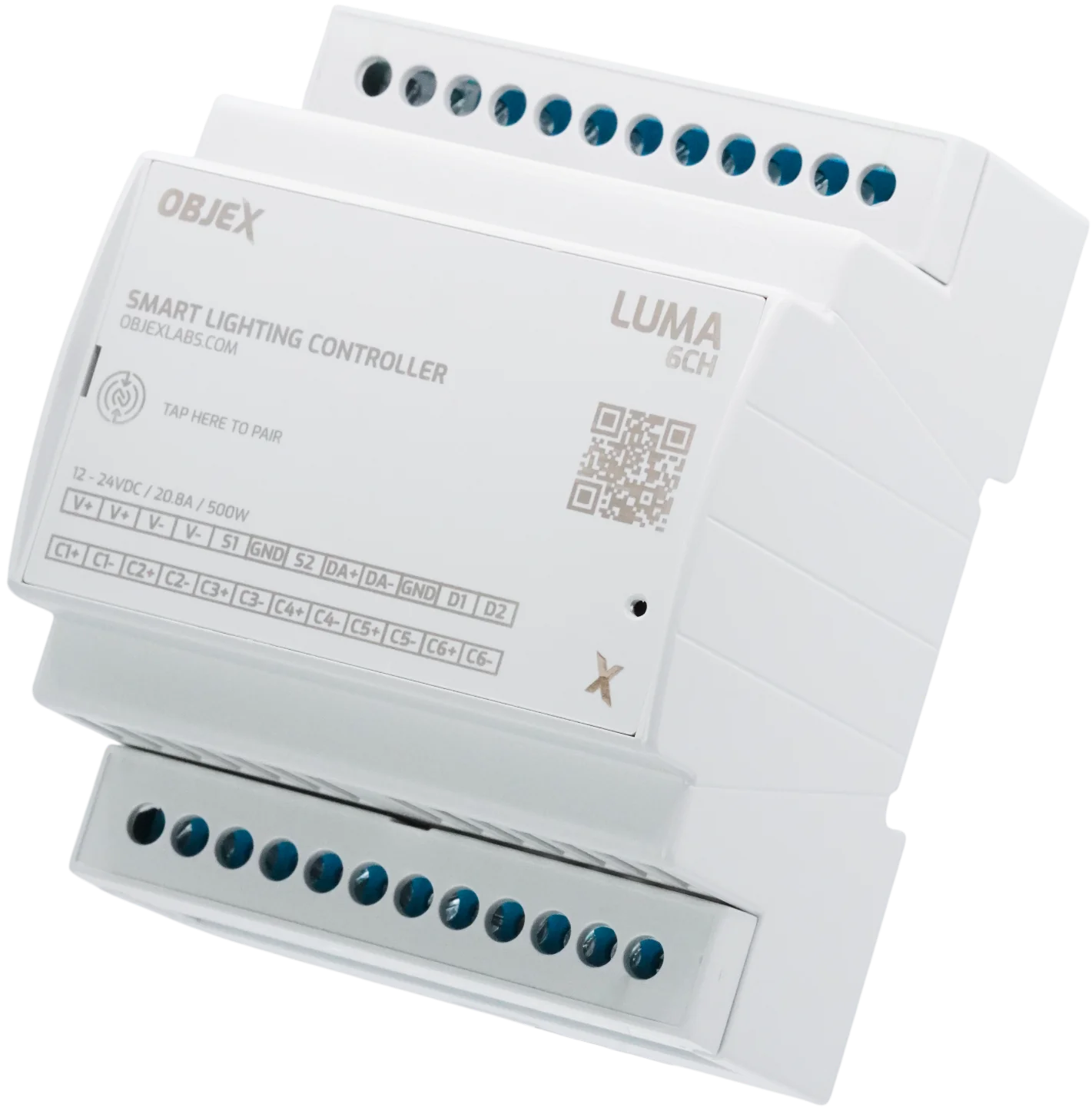 LUMA
Professional lighting automation
LUMA
Professional lighting automation
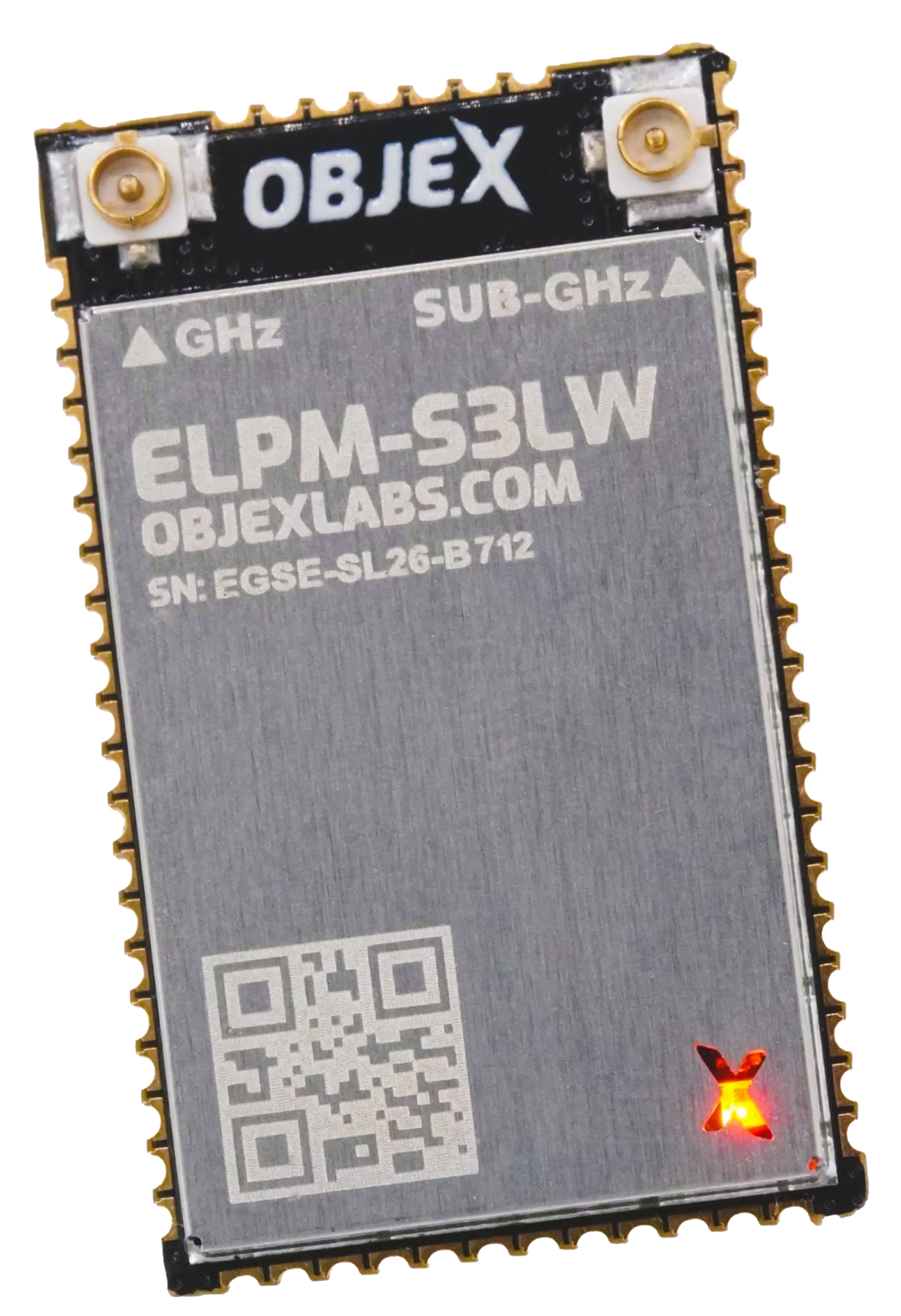 ELPM-S3LW
Built to switch off between events
ELPM-S3LW
Built to switch off between events
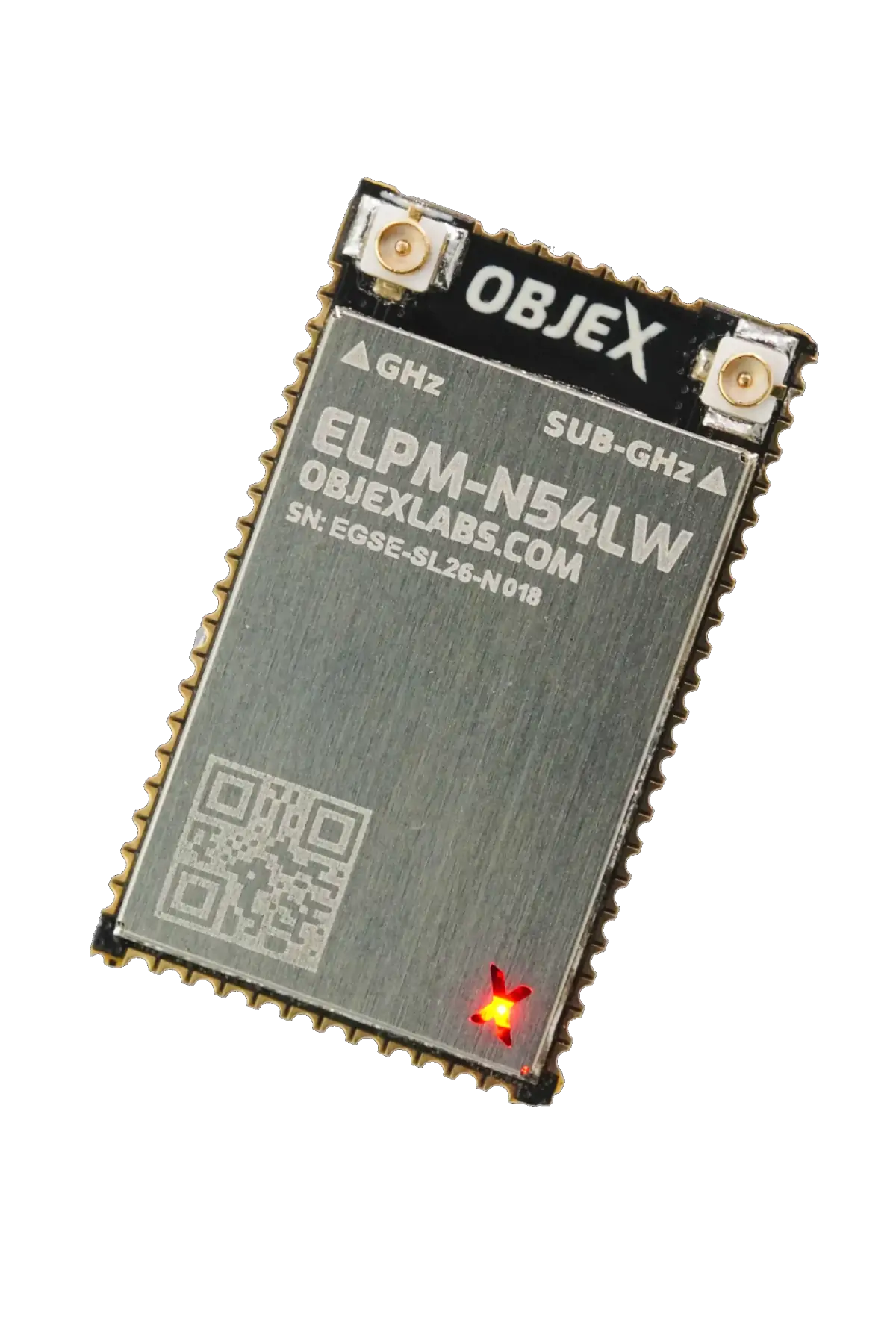 ELPM-N54LW
Ultra-low-power dual radio for connected sensors
ELPM-N54LW
Ultra-low-power dual radio for connected sensors
Your space. Your hardware. Your data.
Somewhere along the way, buying something stopped meaning you owned it. Connected products made this easier to forget. A device can sit in your home, your office or your building and still depend on someone else's servers to do what you bought it to do. We don't think intelligent spaces should work that way. To us, technology should give people more control, not introduce another dependency.
What that means in practice
A device you buy from us works without our servers. You don't need an account to use hardware you paid for. The cloud is something you add, not something you accept. Your data is yours. Documentation and support are part of the product, not a favour. And if OBJEX LABS disappeared tomorrow, the lights would still come on. Two things reach us, and you decide about both. Firmware updates come over the network from our servers. Diagnostics like temperature, uptime and error counts help us find problems before you do, and you can switch them off whenever you want.
Once it's yours, it owes us nothing.
LUMA is the first product we built on that principle. A lighting controller that runs locally from the first boot, with no proprietary app and no mandatory account. Independent doesn't mean isolated. LUMA speaks open protocols. Connect it locally to your systems, to ours, or to nothing at all. The internet can extend what your device does. It should never be what keeps it working. Anything that leaves your network leaves because you decided it should.
Privacy and security
A dimmer looks harmless. Yet lighting patterns can reveal when someone comes home, which room they're in, and when they stop working. LUMA processes that information locally and collects only what it needs. If data never leaves the device, or is never collected at all, there is far less to protect. What remains is protected where it sits. A hardware secure element holds cryptographic keys outside the firmware, beyond the reach of a flash dump. Firmware is signed, and the device rejects what it doesn't recognise.
The best privacy is the data you never collected.
Zero outsourcing
We couldn't claim a device is secure if we hadn't written its firmware. We couldn't say a board is well built if we had never seen it assembled. We design the boards, write the firmware, and assemble the products on our own line in Palermo. Not because it's cheaper (it isn't) but because it's the only way we can answer for what we sell.
Where this goes
We don't want your space to adapt to our products. We want products that adapt to your space. Lighting is the beginning. Then sensing, control. What we build changes. Who it answers to doesn't.
Your space. Your choice.
Inside the lab / On commission
For other companies we design and build hardware and software. The same line that assembles LUMA and the ELPM modules runs boards that are not ours, from the first schematic to the assembled product, and the code that runs on them is ours too, from the firmware to the applications that talk to the device.
Consulting
Requirements, architecture, part selection.
Hardware
Schematic, PCB layout, prototype and tests on the bench.
Software
Firmware, applications and the interfaces that talk to the device.
Production
Assembly and inspection on our line in Palermo.